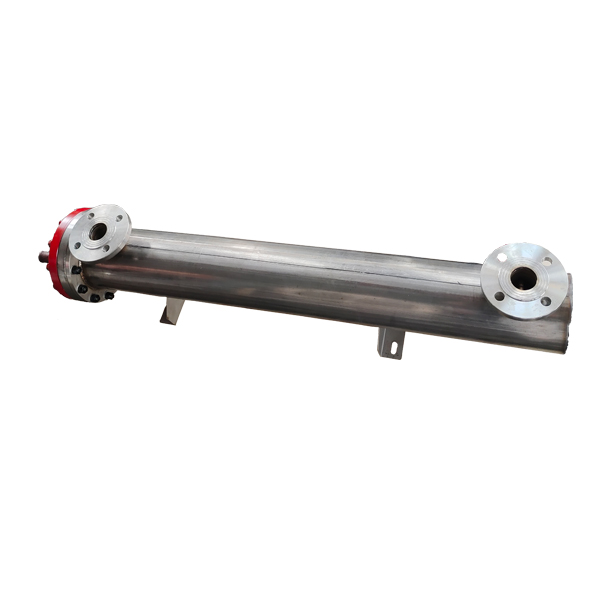
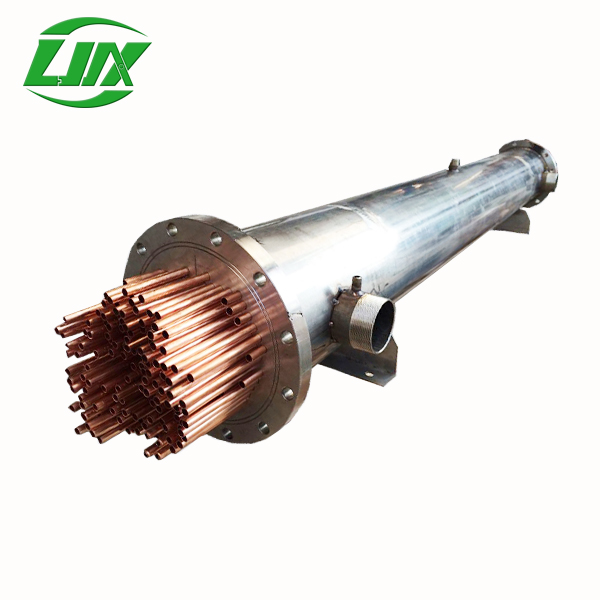
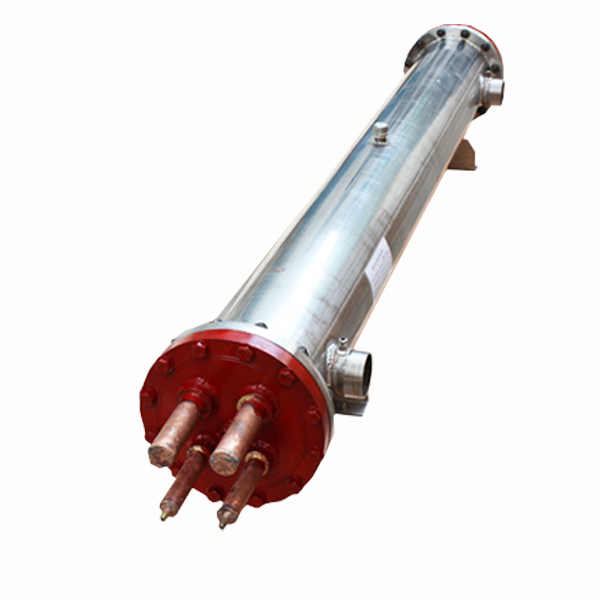
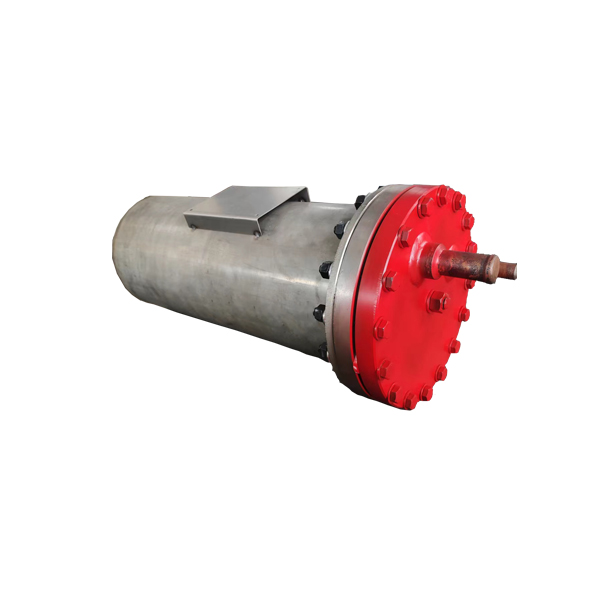
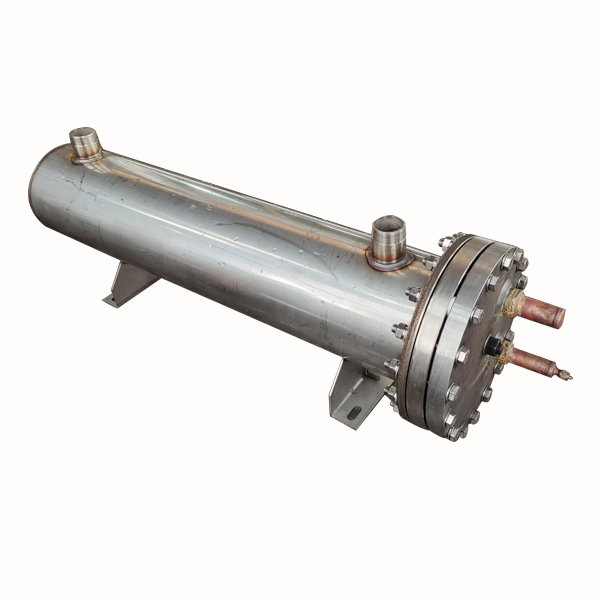
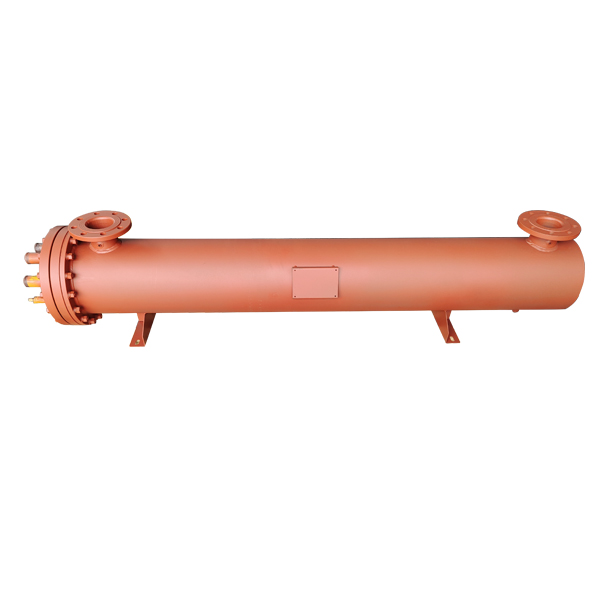
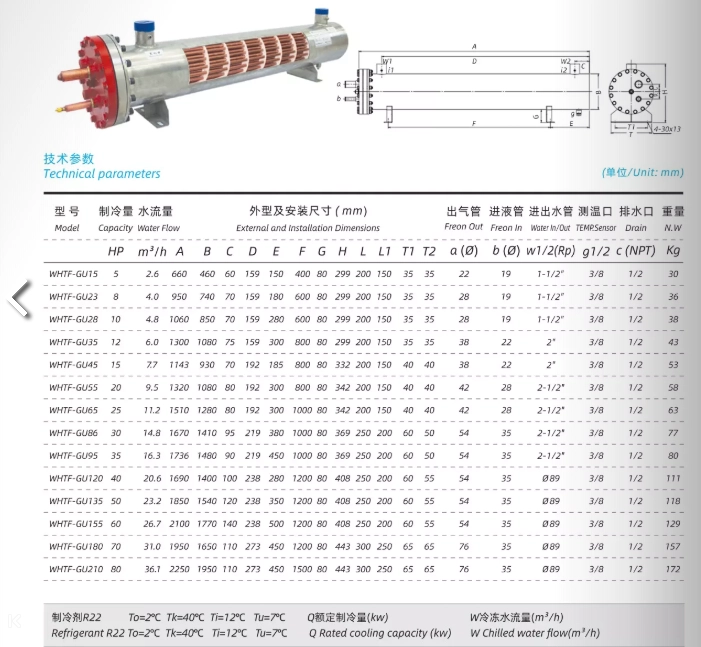
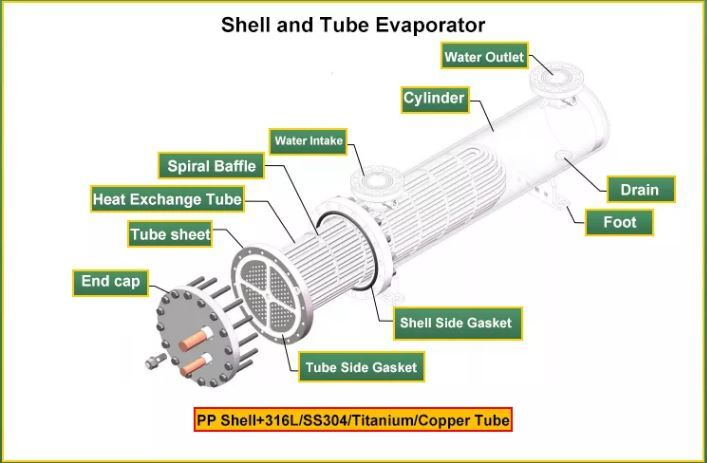
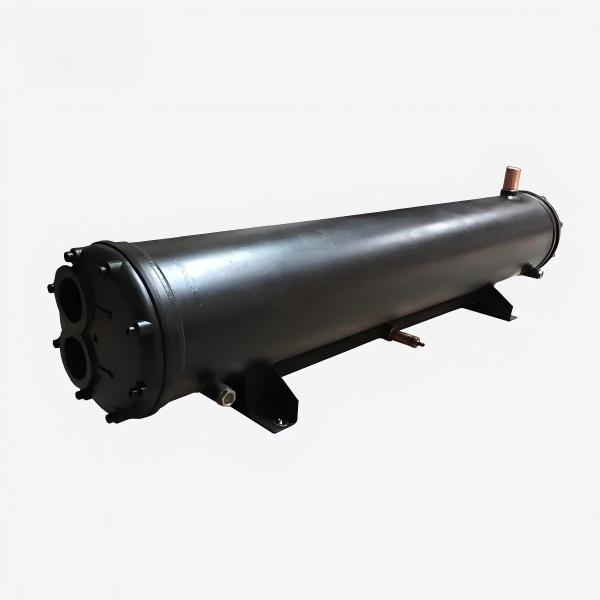
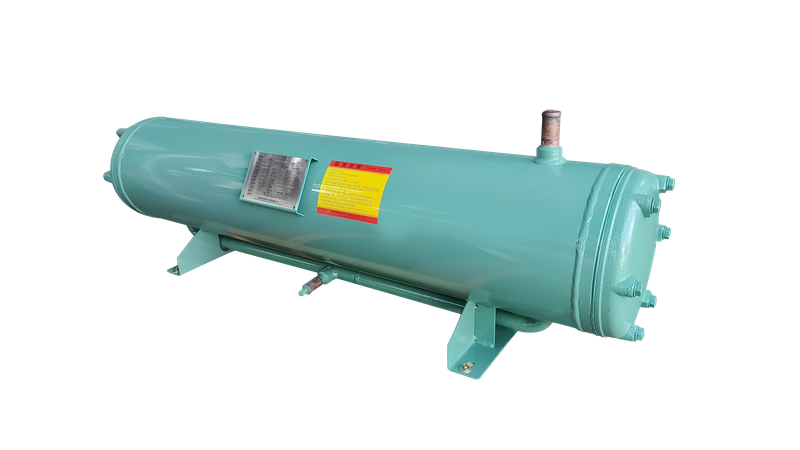
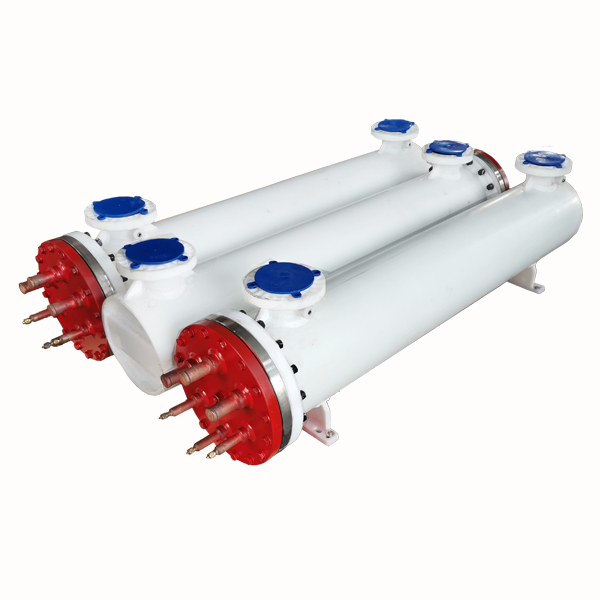
The heat exchanger tube bundle is combined with patented technology, the company's latest spiral baffles, with good thermal conductivity, no scaling, water resistance and other advantages.








Work Condition:
1)Refrigerant side: R22,R134a,R407c,R410a etc.
2)Water side: fresh water, nature water, drink water, seawater, saltwater, ground water etc .
Material:
1)Heat transfer Tube: 316L / SUS304 / Copper / Titanium/Aluminum Brass/Copper Nickel
2)Shell: 316L / SUS304 / Carbon steel / PP / PVC


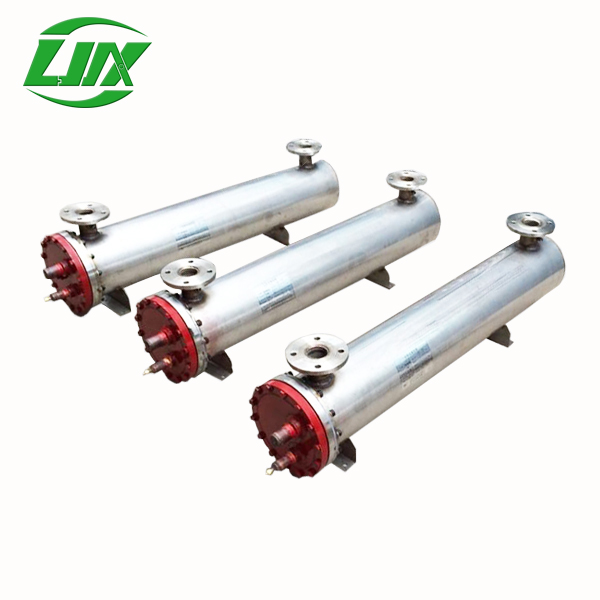
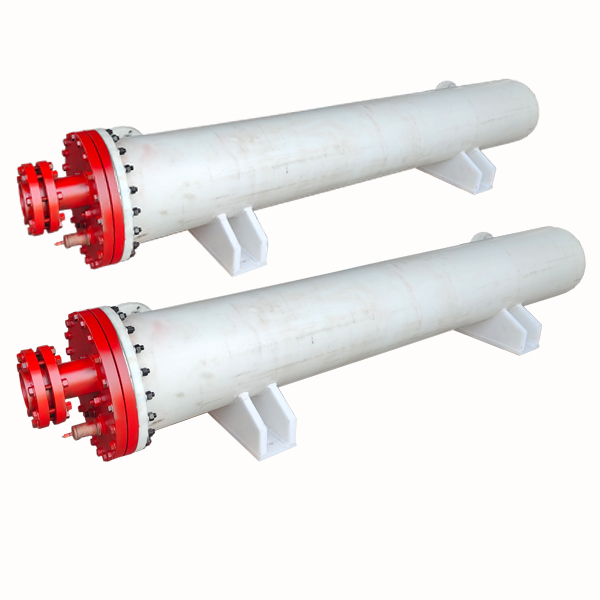
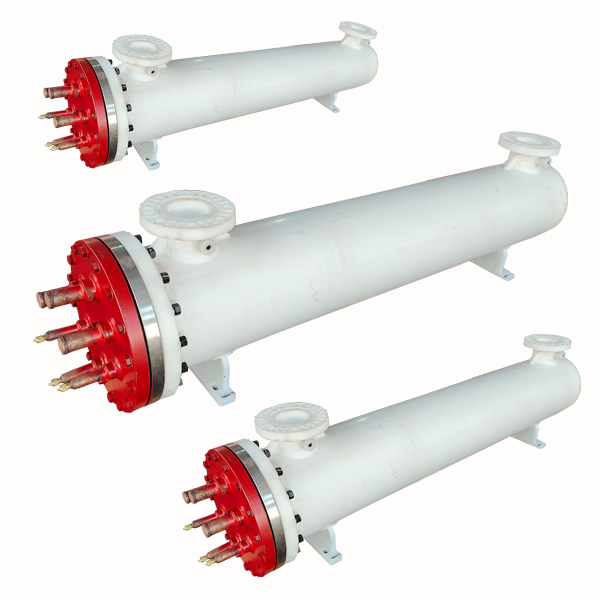
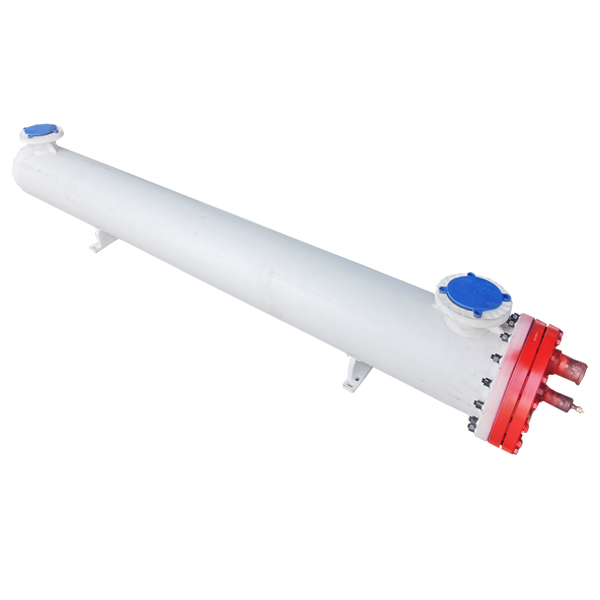
The shell we can make PP plastic, stainless steel, carbon steel and so on according to customer requirements
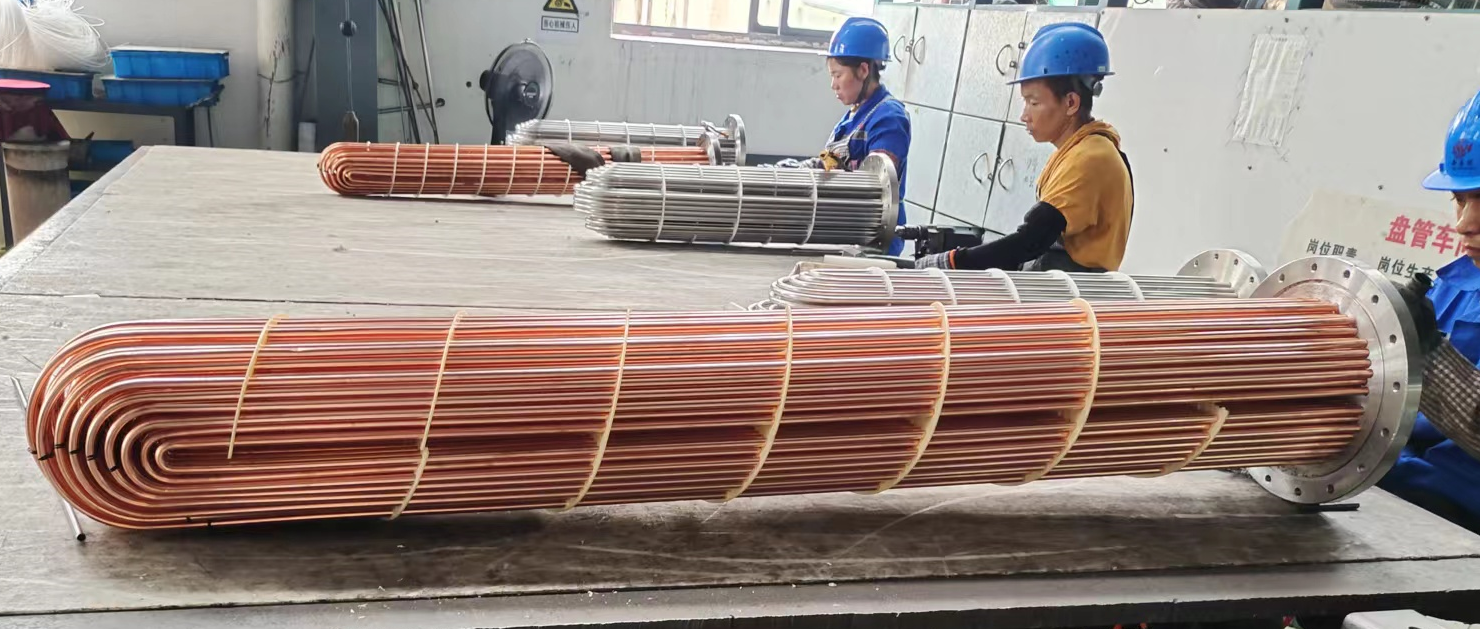
Removable Easy To Clean
You can take tube bundle out of shell, it can be easily cleaned.
The spiral baffle makes the shell side fluid flow in a continuous spiral shape.
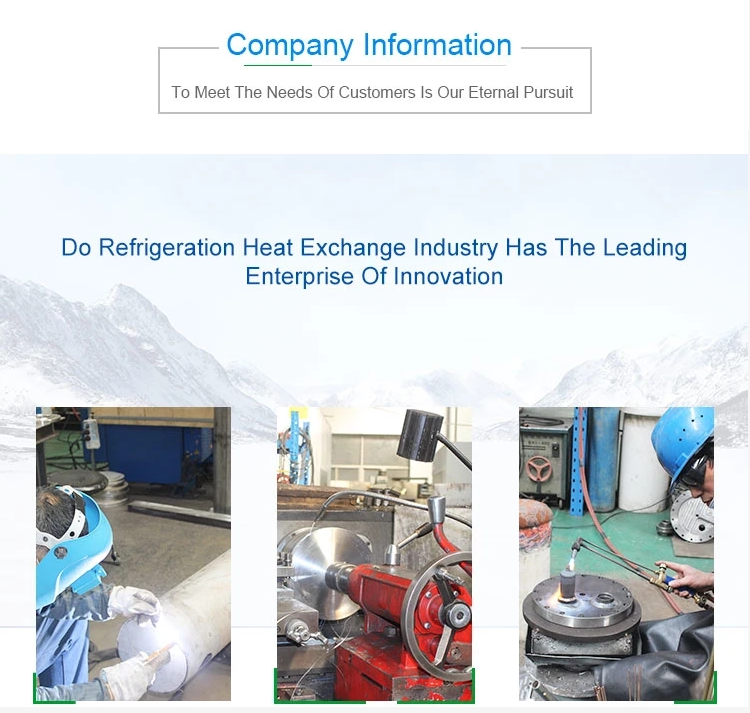
Wuxi Lvjie Engery Saving Technology Co.,Ltd.designs and manufactures a wide range of heat exchangers for refrigeration, industrial and special applications .Our evaporators and condensers can be manufactured with different materials and can work with all types of fluids and with duty up to 6000 kW. We are prepared for the solution of different heat exchange problems, thanks to the widest experience of technical departments able to suggest technical solutions best suited to each customer's need.
FAQ:
1.Are you factory?
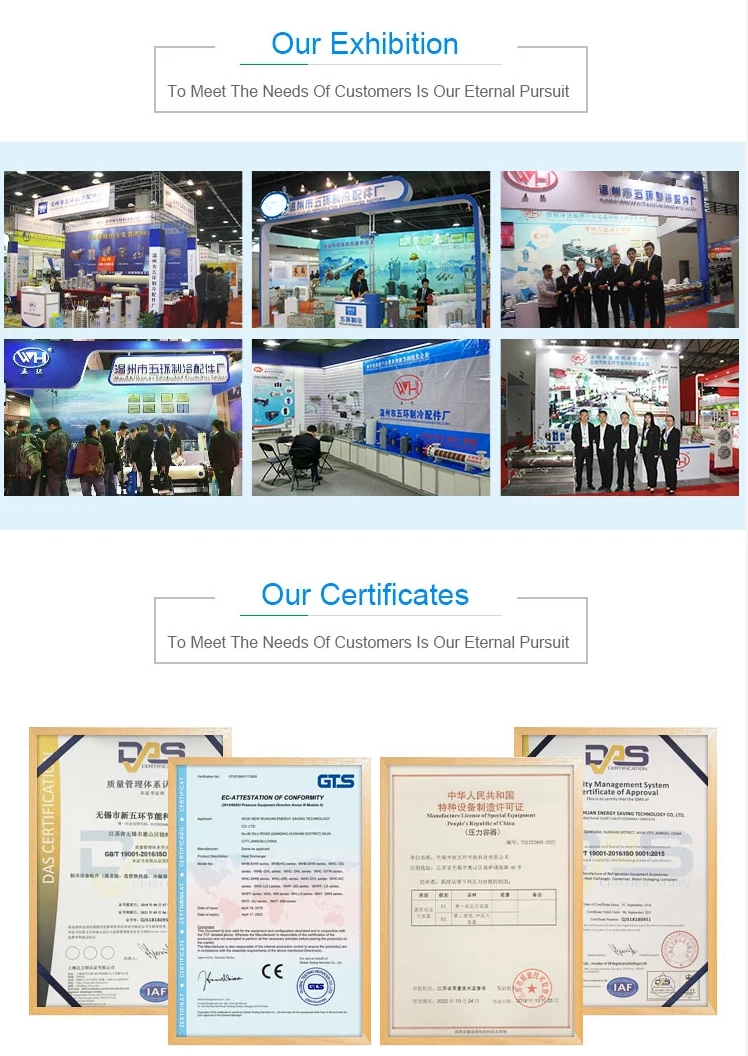
Yes,we are one of the largest corrosion resistant heat exchanger manufactory in China.
2.Are there any discount for the heat exchangers?
Yes. Bigger quantity will enjoy lower discount!
3.What information needed if I want a quotation?
Please
advise us the Type of heat exchangers, Material , Heat Exchanger
Capacity, Water Flow, Water Temperature in and out ,Refrigrant Freon
Type, Quantity, or any requirements in size.
4.What is the MOQ?
We accept loose quantity order,mixed order,any trial orders.
5.When can I get the price?
We usually quote within 8 hours after we get your inquiry.
Tips
The main factors affecting corrosion of shell and tube heat exchangers are:
(1)
Medium composition and concentration: The influence of concentration
varies, for example, in hydrochloric acid, the higher the concentration,
the more severe the corrosion. Carbon steel and stainless steel exhibit
the most severe corrosion in sulfuric acid with a concentration of
around 50%, but when the concentration increases to over 60%, the
corrosion decreases sharply
(2) Impurities: Harmful impurities include chloride ions, sulfur ions, cyanide ions, ammonia ions, etc. These impurities can cause severe corrosion in some cases
(3) Temperature: Corrosion is a chemical reaction, and for every 10 ℃ increase in temperature, the corrosion rate increases by about 1-3 times, but there are also exceptions;
(4) PH value: Generally, the smaller the pH value, the greater the corrosion of the metal;
(5) Flow rate: In most cases, the higher the flow rate, the greater the corrosion.





 English